
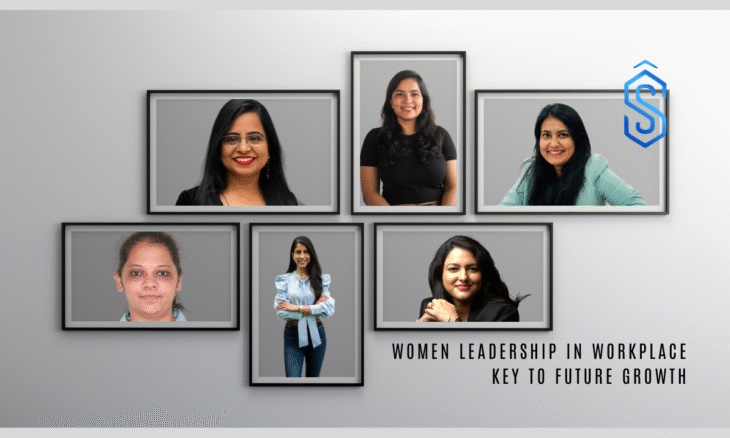
As conversations around diversity and inclusion evolve globally, industry leaders are emphasizing the importance of women leadership in workplace as a critical driver of sustainable growth, innovation, and inclusive economic development.
On the occasion of International Women’s Day 2026, leaders across technology, healthcare, communications, and skilling sectors highlighted that enabling women leadership in workplace requires structured support systems, confidence-building, and long-term institutional commitment.
They stressed that while representation has improved over the years, the real shift will come from building frameworks that ensure women can return to work, progress in leadership roles, and sustain long-term career growth.
Women Leadership in Workplace: Building Systems for Career Continuity
According to Ridhima Sawant, Chief Transformation Officer at Orient Technologies Limited, organizations must move beyond symbolic celebration and focus on practical systems that support Women Leadership in Workplace.
“This International Women’s Day, we at Orient Technologies believe the focus must shift from celebration to sustained action. Talent is not scarce; retention and progression systems are and strengthening them will define the next decade for women in tech. Structured mentorship and guidance are especially critical for women returning to work, enabling renewed confidence, capability and career continuity. Inclusion must be powered by capability building, not just campaigns, with focused reskilling in high-growth areas such as AI, cloud and cybersecurity. Through our 2nd Inning program, we are committed to building clear pathways for women to return, upskill and lead in the decade ahead.”
Also Read: Adecco India Sees 32–35% Increase in Returnship Hiring for Women Professionals
Women as Architects of the Future of Work
Similarly, Janaki Yarlagadda, Chairman of Blue Cloud Softech Solutions Limited, emphasized that Women Leadership in Workplace should move beyond representation and extend to shaping strategic and governance decisions across enterprises.
“On International Women’s Day, the focus must move beyond representation to women shaping strategy, governance and enterprise-wide decisions. As technology redefines employment, women in leadership are not just participants in transformation but architects of it. At Blue Cloud Softech Solutions, we believe inclusive leadership strengthens resilience, sharpens decision-making and drives sustainable value creation. When women build and lead companies, they create ecosystems that expand opportunity, embed accountability and cultivate trust. The future of work will be defined by institutions designed by leaders who enable others to rise.”
Women Driving Conversations on Holistic Wellbeing
Richa Jaggi, Co-Founder and CMO at Awshad, highlighted the role of women in transforming conversations around health and wellness.
“Women’s Day is a powerful reminder of the importance of prioritizing holistic wellbeing, both for ourselves and for the communities we nurture. Today, more women are taking charge of conversations around health, mental wellness, and natural healing, breaking long-standing stigmas along the way. When women lead these conversations, the future of wellness becomes more inclusive, compassionate, and empowering for everyone.”
Also Read: DBS Women and Finance Report: 69% of Female Entrepreneurs in India Lead Financial Decisions
Addressing the Confidence Gap
Highlighting an often-observed pattern in professional settings, Dr Ritika Sinha, Co-Founder at Rocket Health, pointed to the persistent confidence gap that affects many women professionals.
“In rooms where both men and women are asked to speak about their work, I’ve often noticed an interesting pattern. Ask men to introduce what they do, and they’ll comfortably speak for several minutes, sometimes you have to ask them to stop. Ask women the same question, and even if you give them three minutes, many will finish in one. This shows the confidence gap that still persists, even when the capability gap does not. Closing the confidence gap means encouraging women to speak about their work unapologetically and claim leadership spaces. As more women step into these roles, organisations must also build cultures that prioritise wellbeing, because sustainable leadership is not just about being at the table, but being supported enough to stay there.”
Representation That Shapes Aspirations
For Shalu Jha, Co-Founder and COO of PRandit Solution, representation plays a powerful role in inspiring the next generation of women entrepreneurs and professionals.
“Coming from Bihar and being the first entrepreneur in my family, I’ve seen how representation can change aspirations. When more women lead companies, tell stories, and shape narratives, it doesn’t just change boardrooms, it changes mindsets. In the communications industry, women are no longer just participants; they are becoming decision-makers who influence how brands, startups, and social impact stories are told. International Women’s Day is a reminder that empowering women in leadership ultimately strengthens the entire business ecosystem.”
Maithili Urunkar, Education and Coaching Expert, says, “Education has always been one of the most powerful tools for social transformation, and women have played a central role in shaping its future. When more women participate in designing learning systems, leading institutions, and mentoring the next generation, education becomes more inclusive, empathetic, and forward-looking. Empowering girls and women through education does not only transform individual lives—it strengthens families, communities, and economies.”